It’s or Its | Easy Examples to Help You Get It Right In 2026
September 12, 2026
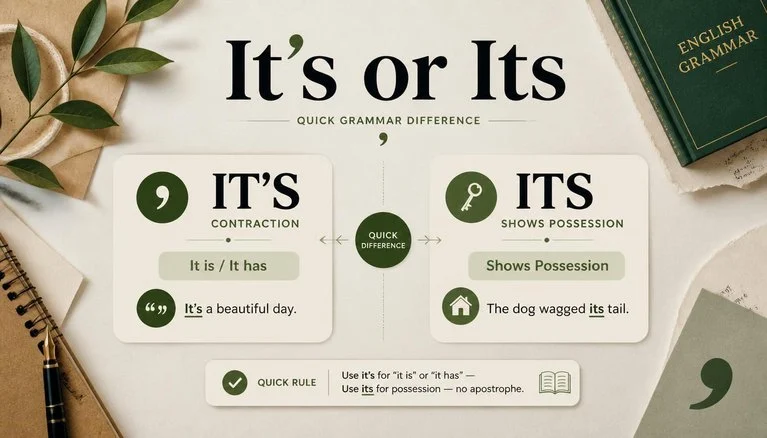
Quick AnswerIts shows possession, like “the dog wagged its tail.” It’s is a contraction of “it is” or “it has,”...
Read morePast vs Passed | Grammar Guide That Finally Makes It Click In 2026
September 12, 2026
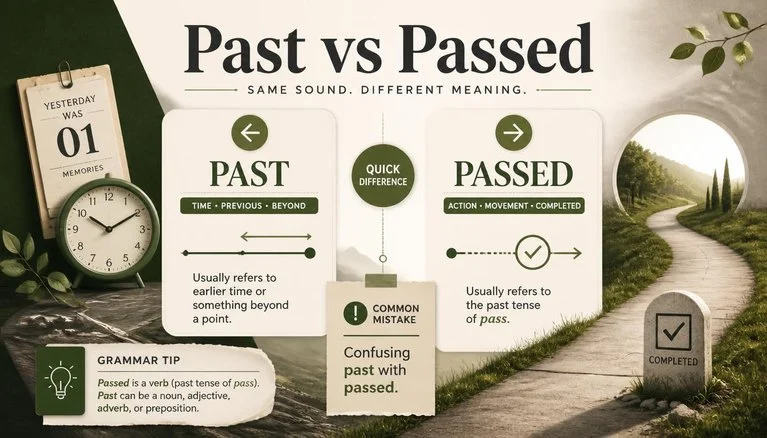
Quick AnswerPast describes something that already happened a time, place, or condition, as in “the past year.” Passed is the...
Read moreThere or Their | Your Quick Guide to Correct Usage In 2026
September 10, 2026
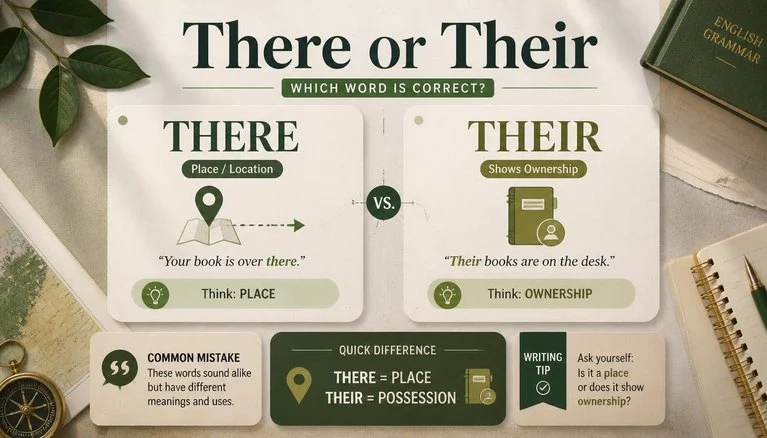
Quick AnswerThe main difference between “there” and “their” is simple: “there” refers to a place or exists as an introductory...
Read moreFlyer or Flier | Clear Up the Confusion In 2026
September 10, 2026
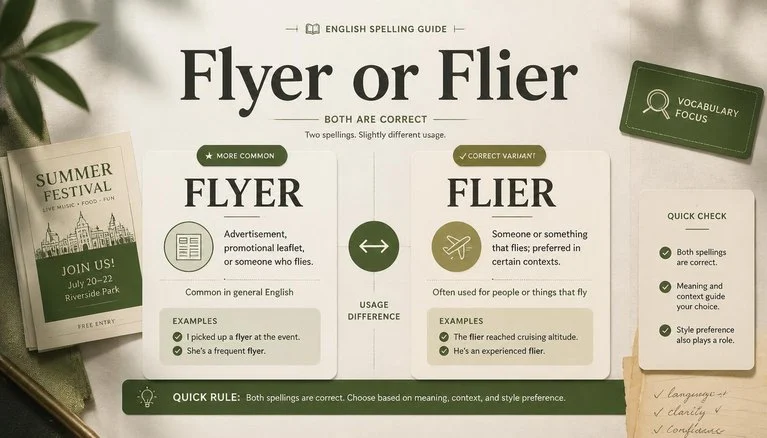
Quick AnswerBoth “flyer” and “flier” are correct spellings, but their usage depends on context and regional preference. In American English,...
Read moreCanceling or Cancelling | Stop Second Guessing the Spelling In 2026
September 10, 2026
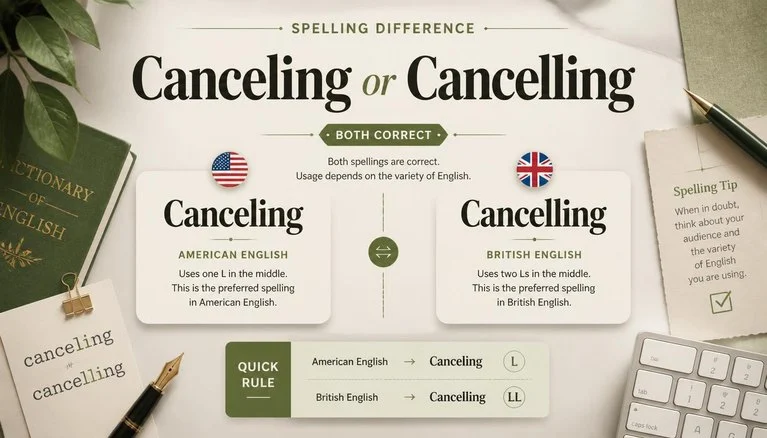
Quick AnswerBoth spellings are correct. Canceling is the American English spelling, while cancelling is used in British, Australian, and Canadian...
Read moreGases or Gasses | Don’t Get This Spelling Wrong In 2026
September 8, 2026
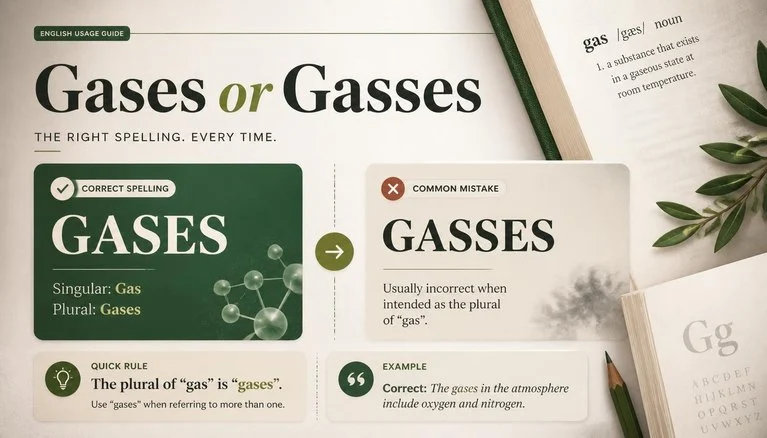
Quick Answer“Gases” is the correct plural of the noun “gas,” used in science, weather, and everyday writing. “Gasses” is the...
Read moreChose or Choose | Grammar Guide to Mastering Their Correct Usage In 2026
September 8, 2026
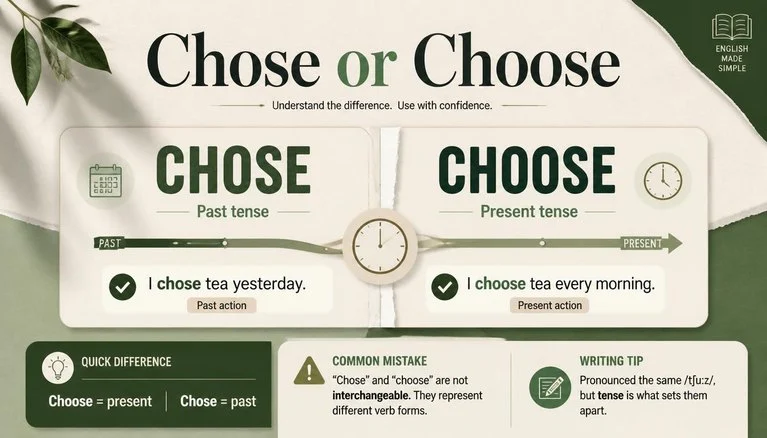
Quick AnswerChoose is the present tense verb meaning to select or decide between options, while chose is the simple past...
Read moreWhether or Wether | Stop Mixing Up These Words In 2026
September 8, 2026
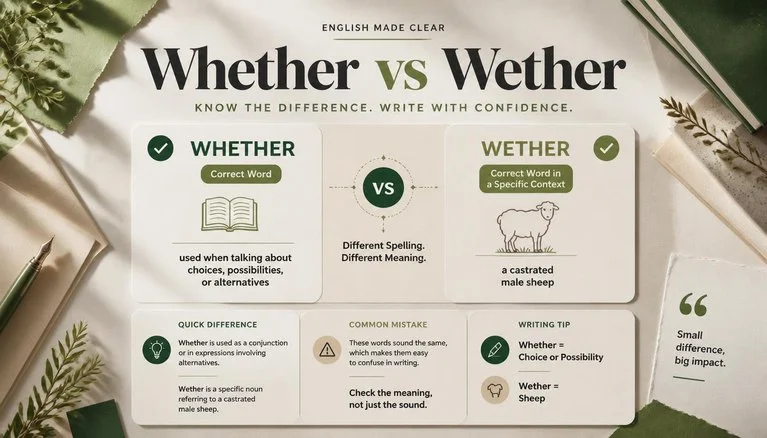
Quick AnswerThe main difference is that whether is a conjunction used to introduce choices or alternatives, while wether is a noun referring to a...
Read moreWhoever vs Whomever | Simple Rule That Ends the Confusion for Good In 2026
September 7, 2026
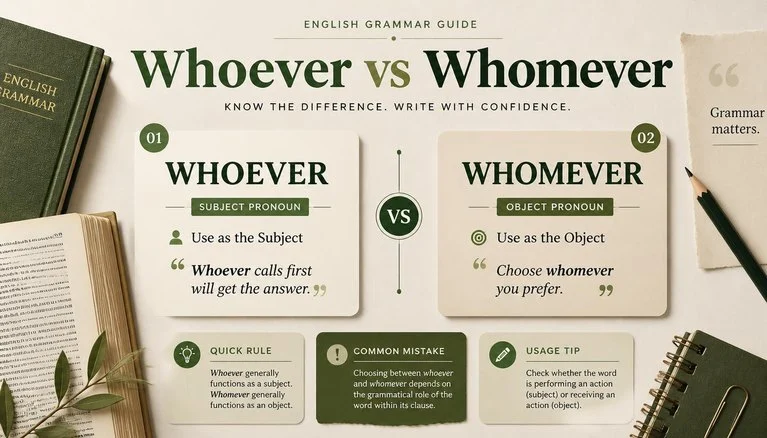
Quick AnswerUse whoever as the subject of a verb, and use whomever as the object of a verb or preposition....
Read moreQuite vs Quiet | Stop Mixing Up These Two Words In 2026
September 7, 2026
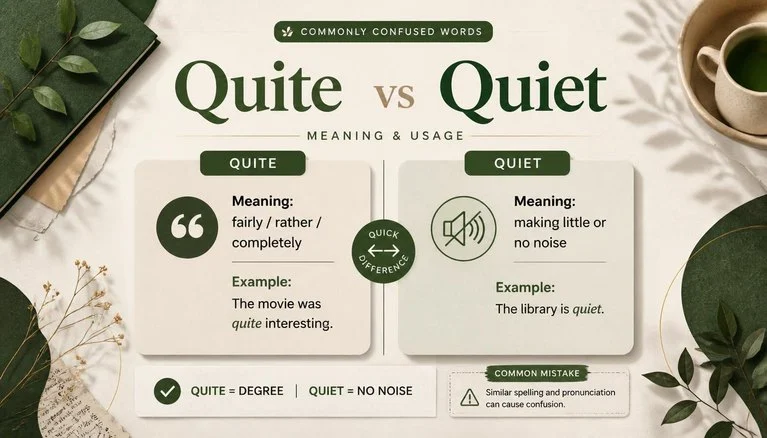
Quick AnswerQuite is an adverb that shows degree, meaning “to a certain extent” or “completely,” as in quite tired. Quiet...
Read more