Quick Answer
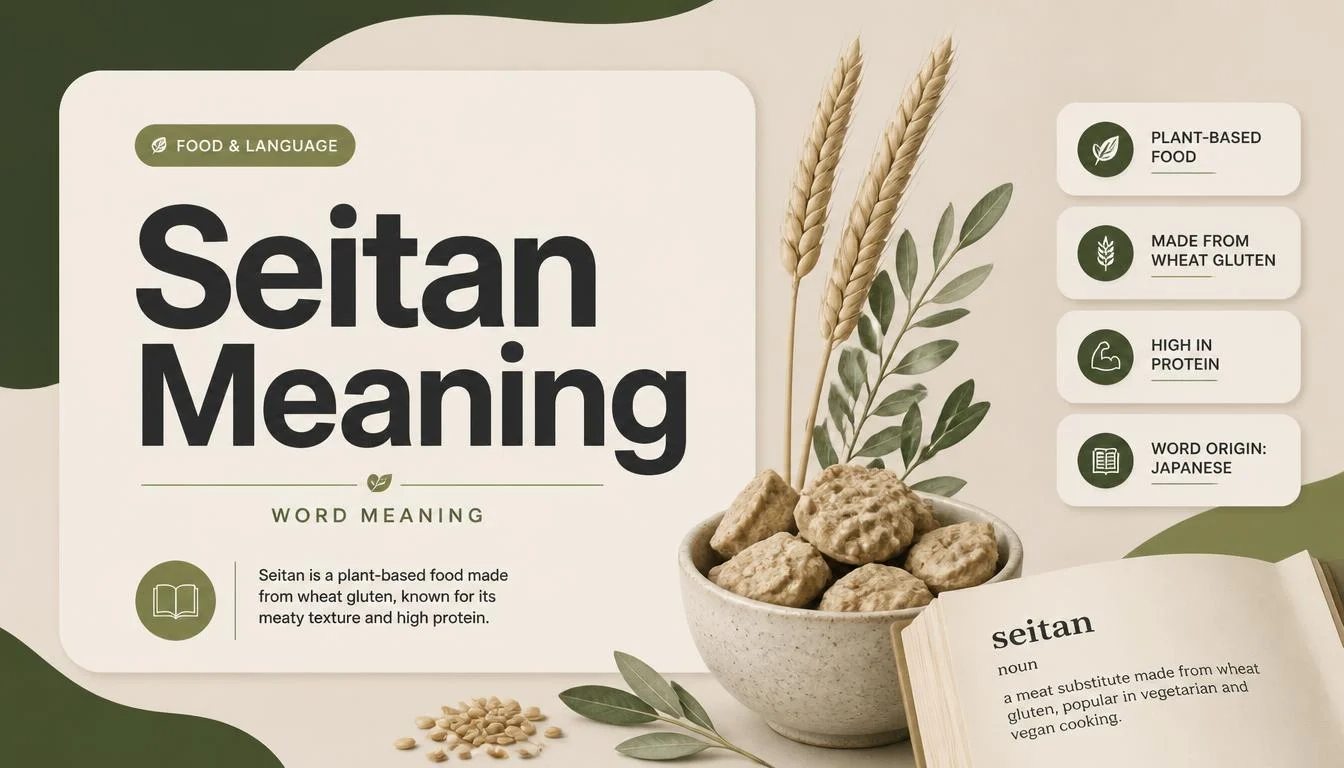
Seitan is a plant-based meat substitute made mainly from wheat gluten, the protein that gives it a chewy, meat-like texture. It is popular in vegan and vegetarian cooking because it can absorb seasonings and work in a variety of savory dishes. Seitan is generally high in protein but is unsuitable for people with celiac disease or wheat allergies.
The seitan meaning refers to a plant-based food made primarily from wheat gluten, the protein found in wheat. Often used as a meat substitute, seitan has a firm, chewy texture that makes it popular among vegans, vegetarians, and people looking for alternatives to meat. It can be seasoned and cooked in various ways to resemble foods such as chicken, beef, or pork.
Seitan has been used in Asian cuisines for centuries and has gained popularity worldwide as a versatile ingredient in plant-based meals. It absorbs marinades and spices well, making it suitable for stir-fries, sandwiches, wraps, and other dishes. Understanding the seitan meaning also helps you recognize its nutritional value and an important limitation: because it is made from wheat gluten, it is not suitable for people with celiac disease or wheat allergies.
What Is Seitan?
Seitan is a food prepared from wheat gluten, a concentrated form of the proteins naturally found in wheat. Gluten consists mainly of two protein groups, glutenin and gliadin, which interact with water to create the elastic network familiar from bread dough.
To make traditional seitan, cooks mix wheat flour with water, knead the dough, and wash away much of its starch. The remaining elastic material is then cooked, often in a seasoned broth. Another common method starts with vital wheat gluten, a flour product in which much of the starch has already been removed.
The result is a firm, protein-rich food that can be sliced, shredded, shaped into cutlets, or formed into other meat-like products. Commercial versions may include soy sauce, nutritional yeast, vegetable broth, herbs, spices, or other ingredients to improve flavor and texture.
Why is it called seitan?
The name seitan is generally credited to Japanese food educator George Ohsawa’s macrobiotic movement, with the term entering use in Japan during the mid-20th century. It became associated with wheat-gluten foods used in vegetarian and macrobiotic cooking.
The food itself has older roots. Chinese Buddhist culinary traditions include wheat-gluten preparations known as mian jin, which have been used as meat alternatives in vegetarian dishes. These traditional foods are related to modern seitan, although recipes, preparation methods, and regional names differ.
It is helpful to separate the history of the food from the history of its modern name. Wheat-gluten cooking did not begin when the word seitan became popular.
Where Does Seitan Come From?
Wheat gluten has a long culinary history in East Asia. In Chinese cooking, mian jin refers to wheat-gluten foods that can be prepared in several forms, including pieces with a spongy texture that absorb sauces and broths.
Buddhist vegetarian cooking helped establish the use of gluten-based ingredients as alternatives to meat. In some traditions, cooks developed elaborate dishes that used the texture of wheat gluten to imitate familiar meat preparations without relying on animal products.
Japan also has a long tradition of wheat-gluten foods. One example is fu, a traditional ingredient made from wheat gluten that appears in different forms, including dried pieces used in soups and other dishes. Although fu and modern seitan share a connection to wheat gluten, they are not identical in every preparation.
Today, seitan is found in vegetarian restaurants, vegan cookbooks, and packaged plant-based products across many countries. Some versions are designed to resemble chicken strips, sausages, or beef-style slices, while others retain a more traditional, simply seasoned flavor.
The food’s history demonstrates that plant-based meat alternatives are not entirely new inventions. Modern products have introduced different seasonings and manufacturing techniques, but cooks have been working with wheat gluten for generations.
How Is Seitan Made?
The basic process is straightforward, although the final texture depends on how the gluten is prepared and cooked.
1. Prepare the wheat dough
Traditional recipes begin with wheat flour and water. The ingredients are mixed into a dough and kneaded until the proteins form an elastic structure.
Vital wheat gluten offers a quicker alternative. Because much of the starch has already been removed during processing, it can be mixed directly with water, broth, or other ingredients.
2. Wash away the starch
When using ordinary flour, the dough is repeatedly washed with water. This removes much of the starch, leaving behind a stretchy, protein-rich mass.
The remaining material contains the gluten network that gives the finished food its characteristic chewiness. Starting with vital wheat gluten skips most of this washing stage.
3. Add flavorings
Plain wheat gluten has a relatively mild flavor. Cooks often add garlic, onion powder, black pepper, smoked paprika, soy sauce, nutritional yeast, or vegetable broth to create a more savory result.
The ingredients can change both flavor and texture. For example, additional liquids and different mixing techniques can make a recipe softer, firmer, or more springy.
4. Cook the mixture
The prepared gluten is usually simmered in seasoned broth, steamed, baked, or cooked using a combination of methods. Cooking allows the gluten structure to set, turning the dough-like mixture into a firm food.
The method matters. Vigorous boiling can produce an overly spongy texture in some recipes, while steaming or baking may create a denser result. Once cooked, seitan can be sliced, browned in a pan, grilled, or added to a stew.
What Does Seitan Taste Like?
Seitan has a mild, wheat-based flavor when it is prepared without many seasonings. It does not automatically taste like chicken or beef, but its texture makes it a useful base for dishes that traditionally feature meat.
The flavor comes largely from the ingredients used during preparation. Soy sauce contributes saltiness and savory depth, while garlic, smoked paprika, herbs, and pepper can give it a more distinctive character. A well-seasoned broth also helps flavor the interior rather than leaving the outside as the only tasty part.
Texture is where this food stands out. Properly prepared seitan can be chewy and fibrous, although the exact result varies with the recipe. Some versions are tender enough for sandwiches, while others are dense enough to hold their shape on a grill.
Common seitan varieties
| Type | Typical texture | Common uses |
|---|---|---|
| Seitan cutlets | Firm and chewy | Sandwiches, pan-fried meals, and grilled dishes |
| Shredded seitan | Stringy or fibrous | Tacos, wraps, and barbecue-style fillings |
| Seitan sausages | Dense and seasoned | Breakfast plates, pasta, and sandwiches |
| Seitan strips | Tender to chewy | Stir-fries, curries, and noodle dishes |
| Traditional wheat gluten pieces | Spongy or chewy, depending on preparation | Soups, stews, and braised dishes |
These are cooking styles rather than strict scientific categories. Different brands and homemade recipes can produce noticeably different results, even when they use the same basic ingredient.
Seitan Nutrition and Health Considerations
Seitan is often chosen for its protein content. Because it is made primarily from wheat gluten, it concentrates much of the grain’s protein into a smaller amount of food than ordinary wheat flour contains.
Its exact nutritional profile depends on the recipe and product. A plain homemade version may have a different protein, sodium, and calorie content from a packaged product containing oil, soy sauce, or added seasonings. Checking the nutrition label is the best way to compare specific options.
Protein and essential amino acids
Protein helps the body build and repair tissues and supports the production of enzymes and other important substances. Seitan can contribute a substantial amount of protein to a meal, which makes it useful in plant-based diets.
However, wheat gluten is relatively low in lysine, an essential amino acid the body cannot produce on its own. This means seitan is not considered a complete protein source by itself in the same way as foods that provide adequate amounts of all nine essential amino acids.
That does not make it a poor food choice. Eating a varied diet that includes legumes, soy foods, nuts, seeds, and grains can help supply the range of amino acids the body needs. These foods do not have to be combined in every single meal; overall dietary variety matters.
Fat, carbohydrates, and sodium
Plain seitan is generally low in fat, but its carbohydrate content and calorie count vary with the ingredients and preparation method. Recipes containing oil or sweet sauces will have a different nutritional profile from simply seasoned wheat gluten.
Sodium deserves particular attention in commercial products. Soy sauce, broth, and packaged seasonings can add considerable salt, especially when several are used together. People monitoring their sodium intake can compare labels or prepare a homemade version with less salty ingredients.
Seitan can fit into a balanced diet, but it should not be judged by protein content alone. Fiber, vitamins, minerals, and the overall range of foods in a person’s diet also matter.
Seitan vs. Tofu vs. Tempeh
Seitan, tofu, and tempeh are all popular plant-based protein options, but they differ in their main ingredients, textures, and nutritional characteristics.
Made from wheat gluten. It generally has the chewiest, most meat-like texture of the three and works well in cutlets, strips, and shredded fillings. It is unsuitable for people who must avoid gluten.
Tofu
Made by coagulating soy milk into curds. It ranges from soft and silky to extra-firm and has a mild flavor that takes on marinades and sauces. It is a useful protein source for people who tolerate soy.
Tempeh
Made from fermented soybeans, usually held together in a compact cake. It has a firm, slightly nutty flavor and retains more of the soybean’s original structure than tofu.
| Feature | Seitan | Tofu | Tempeh |
|---|---|---|---|
| Main ingredient | Wheat gluten | Soybeans | Fermented soybeans |
| Typical texture | Chewy and firm | Soft to extra-firm | Firm and compact |
| Flavor | Mild, often savory when seasoned | Mild | Nutty and earthy |
| Protein quality | Relatively low in lysine | Generally provides all essential amino acids | Generally provides all essential amino acids |
| Contains gluten | Yes | Usually no, but check added ingredients | Usually no, but check added ingredients |
| Common cooking methods | Simmering, steaming, grilling, and frying | Baking, frying, and blending | Pan-frying, baking, and grilling |
There is no single winner for every meal. Seitan is a strong option when a chewy texture is the priority, tofu is versatile in dishes that benefit from a softer consistency, and tempeh offers a firmer bite with a distinctive flavor.
How to Cook and Use Seitan
One of the biggest advantages of seitan is how easily it takes on different flavors. It can be used in many dishes that traditionally contain meat, provided the recipe suits its texture.
Stir-fries and noodle dishes
Slice cooked seitan into thin strips and brown them in a pan before adding vegetables and sauce. Bell peppers, broccoli, mushrooms, and spring onions work well with garlic, ginger, and soy-based seasonings.
Adding the seitan near the end can help prevent it from becoming overly firm, particularly if it is already fully cooked. Serve the finished mixture with rice or noodles for a straightforward meal.
Sandwiches and wraps
Thinly sliced seitan works well in sandwiches, wraps, and burgers. Seasoned strips can be paired with lettuce, tomatoes, pickles, mustard, or a plant-based mayonnaise.
For a barbecue-style sandwich, shred the cooked seitan and warm it in barbecue sauce. The sauce adds flavor, while the fibrous texture helps create a filling that resembles pulled meat.
Curries, soups, and stews
Seitan can also be added to curries and vegetable stews. Because it holds its shape reasonably well, it offers a chewy contrast to soft vegetables, lentils, and sauces.
Its mild taste makes seasoning important. A broth with herbs and spices, or a curry sauce with ginger, garlic, and warming spices, can give it much more character than plain water or an unseasoned cooking liquid.
Storage and preparation
Follow the storage instructions on packaged products, and refrigerate homemade seitan promptly after cooking. Keep it in a clean, covered container and use it within a few days, or freeze it for longer storage if the recipe and packaging allow.
For the best texture, avoid assuming every product needs the same cooking time. Some commercial varieties are ready to eat after reheating, while homemade recipes may require a longer initial cooking period.
Who Should Avoid Seitan?
Despite its usefulness, seitan is not suitable for everyone. Its main ingredient is wheat gluten, so people with celiac disease must avoid it. Those with a wheat allergy should also avoid products containing wheat unless a qualified healthcare professional has advised otherwise.
Celiac disease is an autoimmune condition in which consuming gluten damages the small intestine. Seitan is particularly unsuitable because gluten is not merely a trace ingredient; it is the food’s primary component.
People with non-celiac gluten sensitivity may also experience symptoms after eating it. Anyone who suspects a gluten-related condition should seek medical advice rather than relying on a food experiment to establish a diagnosis.
For people who tolerate wheat, seitan can be a useful addition to a varied diet. Still, it should not be the only protein source. Rotating it with beans, lentils, tofu, tempeh, and other foods helps provide a broader nutritional range.
FAQs
Is seitan vegan?
Yes. Traditional seitan is made from wheat gluten and water, and it is generally considered vegan. However, some prepared products contain ingredients such as eggs or other animal-derived additives, so check the ingredient list if you follow a vegan diet.
Is seitan healthier than chicken?
Neither is automatically healthier in every situation. Seitan can provide substantial protein with little fat, while chicken supplies complete protein and other nutrients. The comparison depends on portion size, preparation, sodium content, and the rest of the meal.
Can you make seitan at home?
Yes. You can make it with vital wheat gluten, water or broth, and seasonings, or start with wheat flour and wash away the starch. The vital-wheat-gluten method is usually quicker, while the flour method requires more time and washing.
Does seitan contain carbohydrates?
Yes, although the amount varies by recipe. Removing much of the wheat’s starch concentrates the gluten protein, but the final product may still contain carbohydrates. Added flour, sauces, and other ingredients can increase the total.
Can you eat seitan every day?
Many people who tolerate gluten can include seitan regularly as part of a varied diet. However, eating it every day should not mean relying on it as the sole source of protein. Include other protein-rich foods and consider sodium levels, particularly when choosing packaged products.
Is seitan the same as vital wheat gluten?
No. Vital wheat gluten is the concentrated wheat protein used to make many seitan recipes. Seitan is the prepared food made from that ingredient, or from washed wheat dough, after it has been mixed and cooked.
Conclusion
Seitan is a versatile wheat-gluten food with a long history in East Asian vegetarian cooking and a useful place in modern plant-based meals. Its chewy texture, mild flavor, and protein content make it a practical alternative for people who want variety in their diets. The main consideration is gluten, which makes it unsuitable for people with celiac disease or a wheat allergy. If you can eat wheat safely, trying different seasonings and cooking methods is an easy way to discover whether it belongs in your kitchen.